

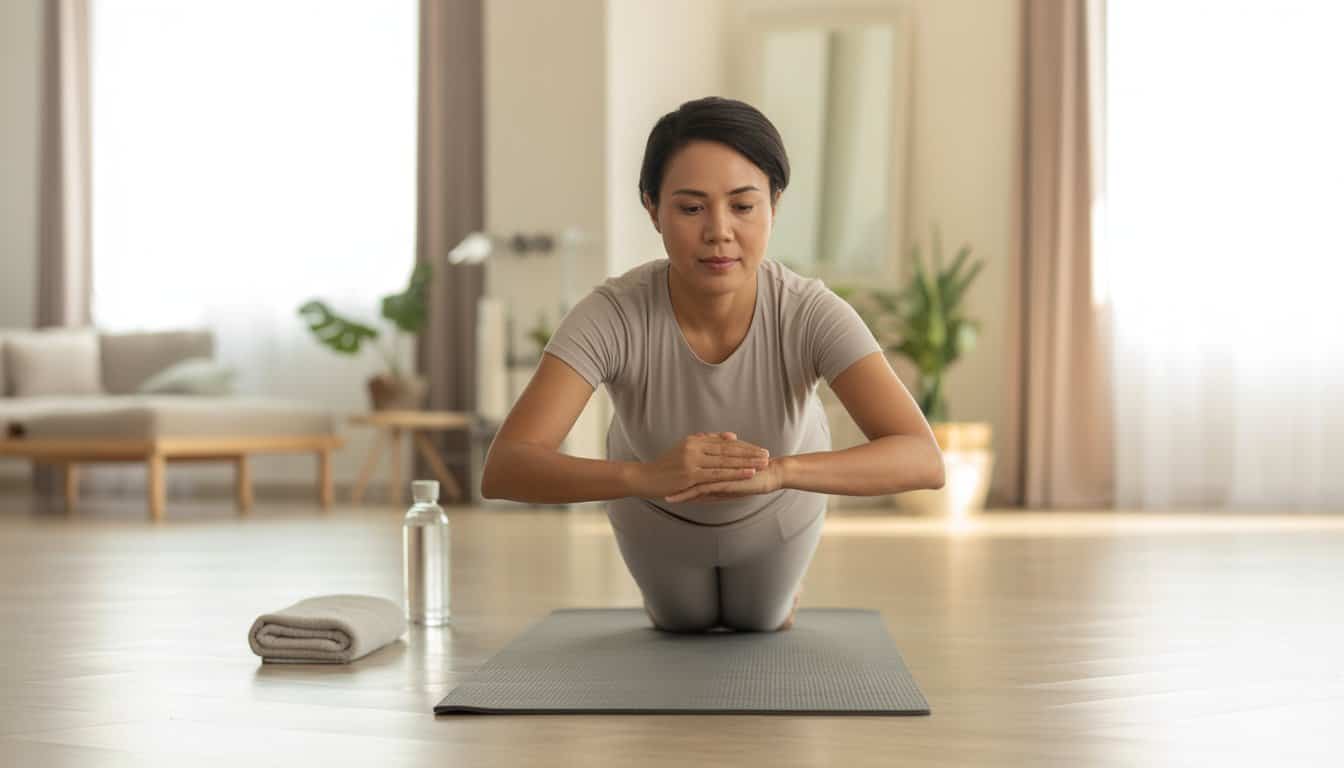
What Mat Pilates Looks Like in Practice
mat pilates is a low-impact exercise method performed on the floor, usually with just a mat and body weight. In practice, it looks simple, but the work is surprisingly deep. A typical session focuses on controlled movement, breathing, alignment, and core engagement, with exercises designed to strengthen the whole body rather than just one area.
For many beginners, the appeal is that mat pilates feels accessible. There is no need for a reformer machine or fancy equipment to get started. A person can roll out a mat at home, follow a guided class, and begin learning how to move with more control and awareness. That is part of why mat pilates has become such a popular starting point for people who want a fitness routine that feels steady, practical, and not terlalu extreme. Related source: https://la-pilatesstudio.com/.
Why Mat Pilates Appeals to Beginners
Mat pilates often suits beginners because the movements are scalable. A person can start with smaller ranges of motion, slower pacing, and simpler variations before building up strength and confidence. This makes the method less intimidating than workouts that demand fast tempo or high impact from day one.
Another reason it works well for beginners is the focus on body awareness. Instead of rushing through repetitions, mat pilates encourages people to notice posture, breathing, and muscle control. Over time, this can help a beginner feel more connected to how the body moves during exercise and even during daily activities like sitting, standing, and walking.
Key Elements That Make Mat Pilates Effective
Breathing and Control
Breathing is a big part of mat pilates because it helps keep movements steady and coordinated. Rather than holding the breath or moving on autopilot, practitioners learn to match breath with motion. This creates a calmer rhythm and can make exercises feel more manageable, especially when the core is working hard.
Control is equally important. In mat pilates, quality usually matters more than quantity. A slower, more precise repetition can be more effective than doing many rushed reps with poor form. This approach helps the body recruit the right muscles and reduces the chance of compensating with the neck, shoulders, or lower back.
Core Engagement and Alignment
Core engagement is one of the best-known features of mat pilates, but it is not only about visible abdominal muscles. It also involves the deeper muscles around the torso and pelvis that support posture and stability. When these muscles are active, movements tend to feel more controlled and balanced.
Alignment matters just as much. Many mat pilates exercises are designed to teach the body better positioning, whether that means keeping the spine neutral, maintaining shoulder stability, or avoiding strain through the hips. This emphasis on alignment can carry over into everyday movement and other forms of exercise too.
How a Simple Mat Pilates Routine Builds Progress Over Time
A mat pilates routine usually begins with foundational exercises that teach the basics of breathing, core engagement, and posture. As the person becomes more comfortable, the routine can progress into more challenging movements that test strength, coordination, and endurance. The progression often feels gradual, which is helpful for building consistency without burnout.
One practical case is a beginner who starts with short sessions two to three times a week. At first, the person may mainly work on learning technique and remembering cues. After a few weeks, the same routine can feel smoother, the core may feel more active, and everyday movements may seem easier to manage. This kind of steady progress is part of what keeps people coming back to mat pilates, because the results tend to build in a realistic and sustainable way.
Unlike workouts that depend heavily on intensity, mat pilates rewards repetition and patience. The more consistently someone practises, the more their control, balance, and confidence tend to improve. That makes it a solid option for people who want a long-term routine rather than a quick burst of effort that is hard to maintain.