

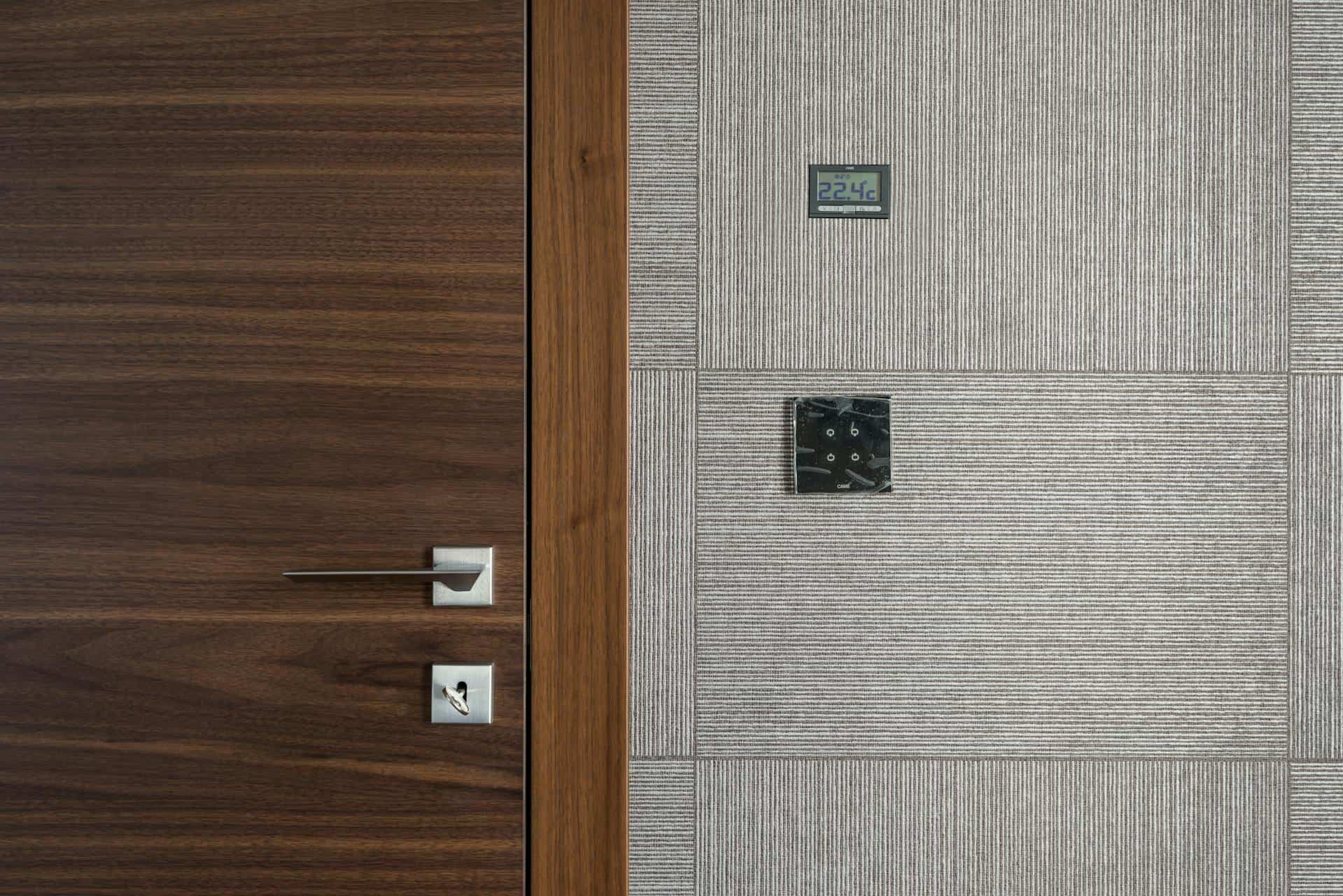
The concept of smart homes has quickly become a reality in several households in addition to being a visionary idea. Smart homes, made possible by Internet of Things (IoT) technology, artificial intelligence (AI), and high-speed Internet connectivity, offer more than any other technology has ever offered to date: convenience, energy savings, and comfort. But as homes become more connected, the issue of privacy and security risks has become more prominent, posing significant questions as to what the price of the modern convenience could be and what the vulnerability might be.
The Convenience of Smart Homes
Smart home technology incorporates appliances like thermostats, lighting, security cameras, door locks, and voice assistants that work together to make everyday life less complicated. To illustrate the point, AI-based assistants such as Amazon Alexa and Google Assistant allow controlling appliances, lighting, and entertainment systems without using hands. Energy efficient equipment automatically turns on and off heating and cooling according to the occupancy pattern that does not only benefit the environment but also utility bills. Real-time monitoring and notifications provided by smart doorbells and security cameras provide peace of mind even when the users are not at home. Such a high degree of automation makes homes reactive, responding to the demands of homeowners.
Security Features Enhancing Protection

The smart homes of today are fitted with high-technology security systems based on AI and biometrics. Facial recognition cameras are able to distinguish between family members and strangers, which sends alerts only when needed and eliminates false alarms. Smart locks are fingerprint or smartphone-authenticated, which removes the possibility of lost or duplicated keys. Monitoring systems based on cloud computing support real-time surveillance at a distance as well as integration with emergency services, directly through mobile communication devices. These inventions provide more protection outperforming the old home security system and making people live in safer conditions.
Emerging Security Risks
Although the field of technology has improved, smart homes have their own cybersecurity challenges. Having two or more devices hooked to home networks, any vulnerability on any device could cost the hacker an entry point. Insecure or older firmware, default passwords and open Wi-Fi networks are all risks that lead to unauthorized access. The data collection by smart devices is a privacy issue, as it can be intercepted or misused. Furthermore, the issue of cloud storage security and possible data breaches makes one realize the significance of effective data protection strategies.
Striking a Balance

Homeowners need to take proactive steps to reduce the risk but still experience the benefits of smart homes. Strong passwords and update in device software are very important to secure the devices. The use of multi-factor authentication and establishing different networks to access IoT gadgets reduces vulnerability to cyber hazards. Knowledge of information privacy laws and the use of equipment that places emphasis on encryption and control of personal information by the user increases protection. There are industry-wide efforts like the Matter protocol to guarantee a standard of interoperability with secure encryption over different devices in the smart home.
The Path Ahead: Smarter, Safer Homes
Smart home technology is also becoming increasingly intelligent and resilient through innovation. The integration of AI is improving threat detection as it is able to learn the normal patterns in the house and quickly detect any anomaly. Voice assistants are becoming contextually aware and have more privacy features. With 5G networks, the connection is faster, more reliable, and with lower latencies, which enhance real-time responsiveness. Manufacturers are becoming more focused on security-by-design practices, aimed at avoiding vulnerabilities in the development phase.
To conclude, the emergence of smarter homes brings about irrefutable benefits of convenience and security, transforming the way individuals engage with their living environment. But these benefits are accompanied by important security issues that must be kept in mind and be aware. Homeowners may be able to embrace the benefits of smart technology by knowing the risks and implementing the necessary precaution to ensure privacy and safety. The future of smart homes is a matter of ongoing innovation combined with solid cybersecurity–so that the convenience is not at the expense of security in the interconnected world.