

Cosmos Pet Grooming students move from hesitant beginners to capable technicians through targeted drills and deliberate practice. Instruction isolates handling, clipping pet grooming class, and restraint while building ergonomic tool use and rhythm. Emphasis on body language, consent, and slow introductions calms anxious rescues. Practical shelter rotations offer varied cases and community impact. Peer feedback and owner-communication exercises sharpen concise explanations and safety protocols. The program’s structured progression and measurable exercises produce confidence and invite exploration of detailed techniques and case stories.

From Nervous Beginner to Confident Groomer: Maria’s Journey
At the start of the course, Maria approached the grooming table with careful hesitancy, hands steady but uncertain about technique and animal response. Her progression was methodical: instructors introduced confidence building exercises that isolated handling, clipping, and restraint in measurable steps. Practice sessions emphasized ergonomic tool use, coat assessment, and timing to reduce stress signals. Peer review and owner communication drills taught concise explanations and consent protocols, freeing her to make autonomous decisions cosmos pet universe. Over weeks, competence replaced doubt; efficiency increased while safety metrics improved. The narrative illustrates skill acquisition through structured repetition, clear feedback, and deliberate practice fostering independent, responsible grooming professionals.
Calming Anxious Rescue Dogs With Gentle Techniques
Building on procedural confidence, the class next addresses techniques for working with anxious rescue dogs, emphasizing slow, predictable interactions that prioritize the animal’s emotional state alongside grooming goals. Instructors demonstrate slow introductions to new tools and handlers, minimizing sudden movements and using clear signaling. Students learn to read body language, establish consent, and employ neutral voice and pacing. Controlled handling includes gentle support at joints and careful awareness of pressure points to avoid discomfort. Exercises focus on desensitization, brief progressive sessions, and empowering clients to maintain consistency. The approach balances safety, efficiency, and the dog’s need for autonomy.
First-Time Clippers: How Jonas Found His Rhythm
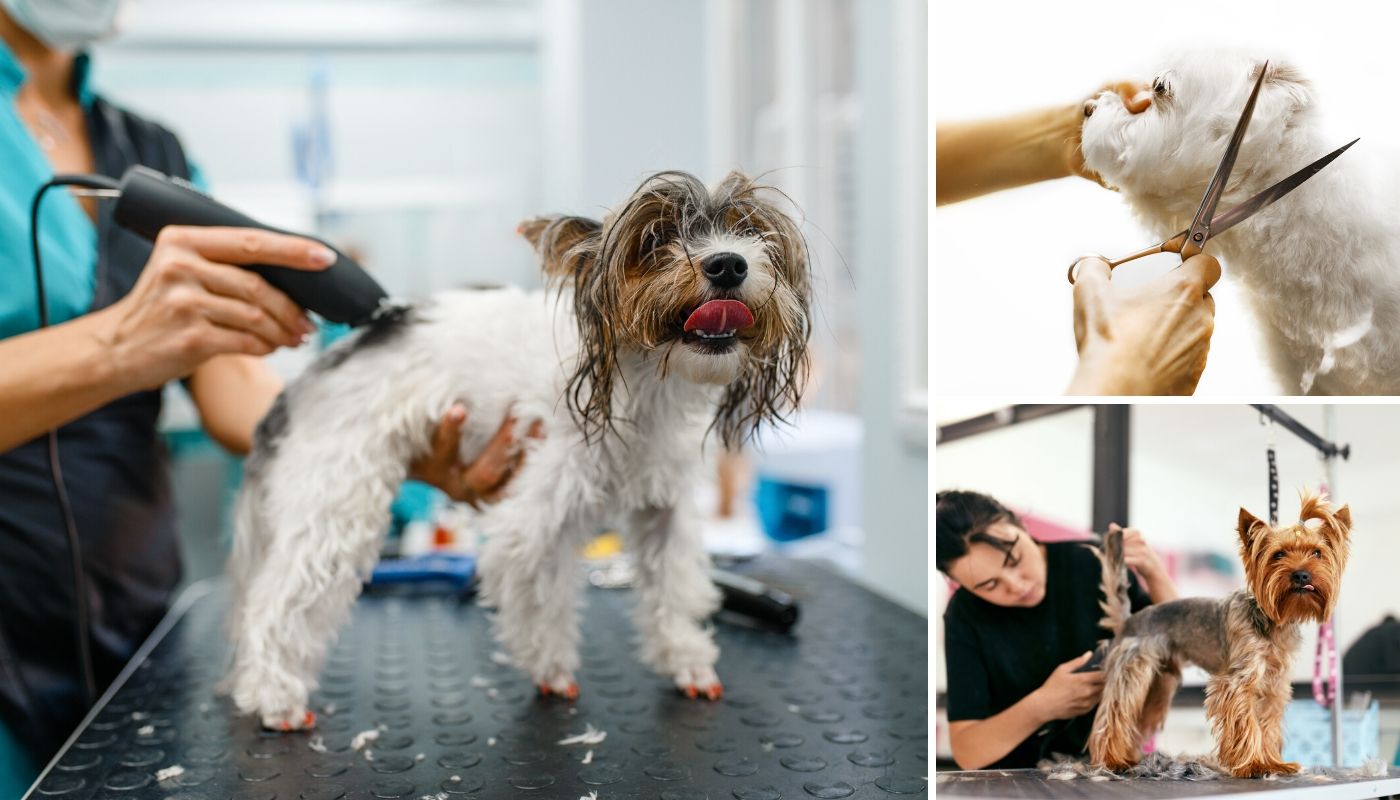
Tuning the clippers, Jonas hesitated for only a moment before aligning his posture, grip, and wrist to the tool’s weight and vibration. He focused on establishing a steady clipper rhythm, matching blade speed to coat density. Instructors recommended short practice drills on synthetic pads, then progressive passes on calm dogs, emphasizing measured pressure, angle, and breathing. Feedback was technical and supportive: micro-adjustments to cadence, hand path, and body alignment promoted efficiency and safety. Over sessions Jonas traded anxiety for controlled repetition, gaining the autonomy he sought. The result: confident, deliberate clipping informed by disciplined practice drills and clear mechanics.
Turning Fear Into Skill: Working With Fractious Cats
Moving from steady-handed clipping on dogs, the class shifted focus to handling fractious cats, where restraint, reading micro-behaviors, and equipment choice change the approach. Students observed trainers demonstrating calm containment, gentle scruff alternatives, and how to interpret non verbal cues to prevent escalation. Techniques emphasized safety, consent, and progressive exposure so freedom-seeking animals remain minimally constrained. Practical drills included:
- Controlled introductions using towel wraps and minimal force for handling hissy cats
- Rapid de-escalation steps tied to tail, ear, pupil micro-behaviors
- Tool selection and placement to protect both groomer and feline
Confidence grew through measured practice and objective feedback.
Finding Purpose Through Helping Shelter Pets
Through hands-on volunteer sessions at local shelters, students applied grooming skills to animals with varied histories, learning to assess health, behavior, and resource constraints while delivering practical care. The program emphasized community partnerships that expanded volunteer opportunities and provided diverse case exposure. Instructors modeled efficient techniques, documentation, and sanitation protocols, enabling trainees to make measurable welfare improvements. Participants reported increased agency and vocational clarity as they matched skills to shelter needs, optimizing time and supplies. This structured, service-oriented approach cultivated professional competence and personal purpose, aligning technical proficiency with a commitment to animal well-being and community resilience.
Conclusion
The Cosmos Pet Grooming class transformed hesitant novices into competent handlers through structured technique, patience, and safety-focused instruction. Instructors emphasized proper restraint, clipper control, and stress-reduction protocols, enabling students to calm rescue dogs, manage fractious cats, and gain confidence with first-time clippers. Graduates reported measurable skill gains and a clearer sense of purpose working with shelter animals. The program’s combination of technical training and compassionate practice yielded reliably improved outcomes for pets and people alike.